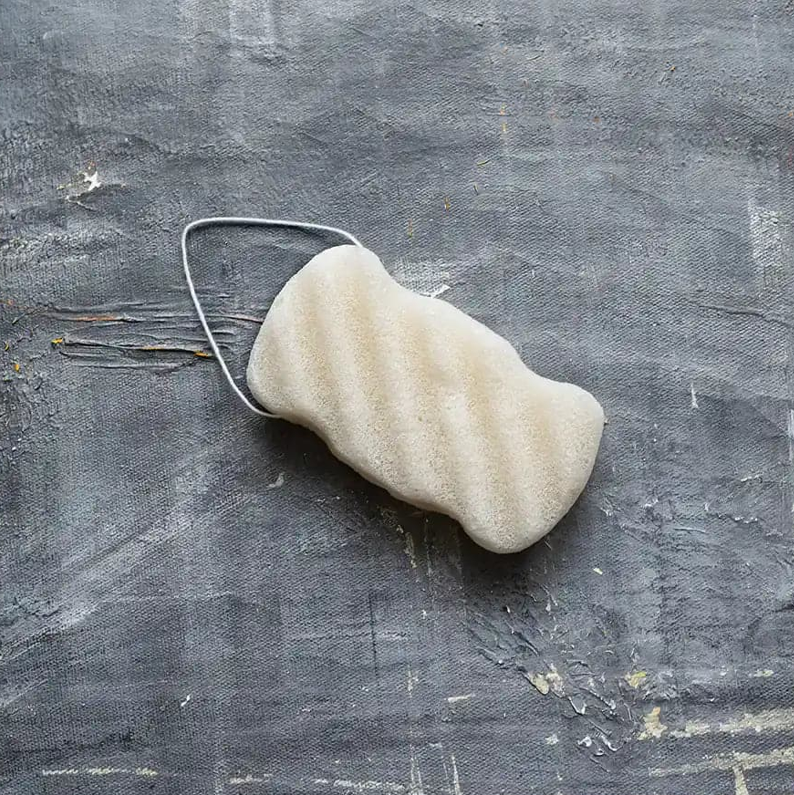
Exfoliation can be a simple addition to a regular skincare routine, but the tool used to remove surface buildup matters. Different facial exfoliating tools offer different levels of texture and pressure, so choosing one that suits your skin and routine can make the process more comfortable.
A good exfoliating tool for face care should be easy to use, simple to clean, and appropriate for regular skincare. Rather than choosing a tool based only on appearance, consider how it feels on the skin, how often you plan to use it, and how easily it fits into the rest of your routine.
Why Use a Facial Exfoliating Tool?
The skin naturally sheds old surface cells. However, dead skin cells, excess oil, and everyday residue can remain on the surface and contribute to a rough or dull appearance.
A facial exfoliating tool can provide gentle physical exfoliation when used correctly. It can also make cleansing feel more thorough by helping remove surface buildup.
The key is moderation. Facial skin can be sensitive, and applying too much pressure or exfoliating too frequently may leave the skin feeling uncomfortable. A simple routine with a suitable tool is generally easier to maintain than an aggressive approach.
Consider Your Skin Before Choosing a Tool
Not every exfoliating tool feels the same on every person’s skin. Some tools have a softer texture, while others provide more noticeable physical exfoliation.
People with easily irritated skin may prefer a gentler option and lighter pressure. Those who are accustomed to physical exfoliation may be comfortable with a tool that provides more texture.
If you already use other exfoliating skincare products, consider how the tool will fit into the overall routine. Using several exfoliating methods together may provide more exfoliation than your skin needs.
A useful approach is to start gently and pay attention to how your skin responds rather than assuming that stronger scrubbing produces better results.
Look for a Comfortable Texture
Texture is one of the first things to consider when shopping for a skin exfoliation tool. A tool should provide enough surface contact to support gentle exfoliation without feeling harsh.
Tools designed for facial use are generally smaller and easier to control than body exfoliating accessories. This makes it possible to work around areas such as the cheeks, forehead, and chin without applying unnecessary pressure.
Comfort also matters because an uncomfortable tool is less likely to become part of a consistent skincare routine.
Size and Shape Can Affect Control
A facial tool should be easy to hold and maneuver. A compact design can make it easier to work around the contours of the face, particularly near the nose and chin.
A larger tool may cover more surface area but can be harder to control on smaller areas. If you prefer a detailed skincare routine, a smaller design may make application more precise.
Think about how you naturally hold skincare accessories. A tool that feels secure in your hand can make it easier to control pressure and movement.
How to Use a Facial Exfoliating Tool
Before using a physical exfoliating tool, start with clean skin. Follow the instructions provided with the specific product and use gentle movements rather than pressing firmly.
Work across the face with controlled motions, paying attention to areas where you commonly notice surface buildup. Avoid treating the skin as though you are trying to remove something stubborn from a household surface.
The face requires a much lighter touch.
Once you have finished, rinse or clean the tool according to its care instructions. Keeping the tool clean between uses is an important part of maintaining a sensible skincare routine.
Avoid Over-Exfoliating
More frequent exfoliation does not automatically mean better-looking skin. If the skin begins to feel unusually sensitive, dry, tight, or uncomfortable after exfoliation, it may be a sign that the routine needs to be adjusted.
Frequency should depend on the individual and the type of tool being used. Someone new to physical exfoliation may want to begin cautiously rather than using the tool frequently from the start.
It is also useful to consider the other products in your routine. Cleansers, exfoliating acids, masks, and other treatments can all contribute to the overall level of exfoliation.
Facial and Body Tools Are Not the Same
A common mistake is assuming that a tool designed for the body can simply be used on the face. Facial skin and body skin have different needs, and a rough body scrubber may provide more physical abrasion than is appropriate for facial use.
For that reason, look specifically for a skin exfoliating tool designed for facial care when your goal is to exfoliate the face.
Body exfoliation can use different accessories. For example, a body scrubber tool can be useful for areas such as the arms and legs, where people may prefer a different level of physical exfoliation.
Keeping facial and body tools separate can also make your routine easier to organize.
Cleaning Your Exfoliating Tool
A skincare tool needs regular cleaning because it comes into direct contact with the skin. Product residue, oils, and moisture can remain on the surface after use.
Follow the manufacturer’s cleaning instructions rather than assuming every tool can be treated in the same way. Some may be suitable for rinsing, while others may require a different cleaning method.
After cleaning, allow the tool to dry properly before storing it. Avoid leaving a damp tool in a closed container where moisture can remain trapped.
A dedicated storage spot can make it easier to keep the tool clean and ready for the next use.
Pairing Exfoliation With the Rest of Your Routine
Exfoliation usually works best as one part of a broader skincare routine rather than as the main focus.
A basic routine may include cleansing, exfoliating at an appropriate frequency, moisturizing, and using sun protection during the day. The exact products and frequency will depend on individual skin needs.
If you use active skincare ingredients, consider how they interact with your exfoliation routine. Introducing several new products at the same time can make it difficult to determine which product is causing irritation if your skin reacts.
Keeping changes gradual can make your routine easier to understand.
Choosing a Natural Exfoliating Tool
For shoppers interested in simpler personal-care products, a natural exfoliating tool may be worth considering.
Material is only one part of the decision, though. The tool should still be comfortable to use, appropriate for facial skin, easy to maintain, and suitable for the level of exfoliation you prefer.
A natural material does not automatically mean a product is suitable for every skin type. The texture, construction, intended use, and care requirements all deserve attention before making a choice.
A Simple Way to Choose
When comparing facial exfoliating tools, focus on practical details rather than buying the most aggressive option available. Consider the texture, size, ease of cleaning, intended use, and how it fits into your existing skincare routine.
A suitable tool should make gentle exfoliation easy to control. Starting slowly and giving your skin time to adjust can help you decide how often the tool belongs in your routine.
With the right approach, a facial exfoliating tool can be a straightforward addition to personal care. The aim is not to scrub as hard as possible, but to find a comfortable option that supports a consistent and manageable skincare routine.