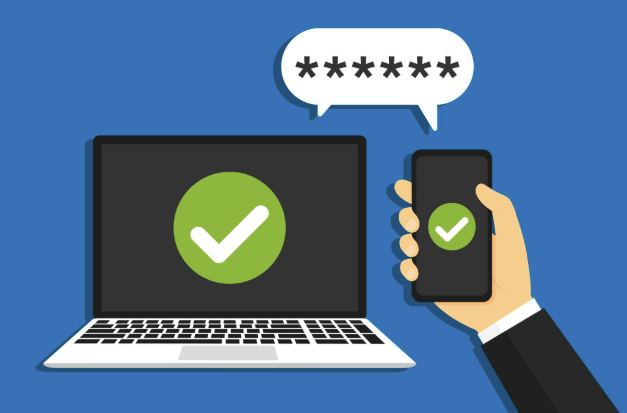
Two-Factor Authentication (2FA) serves as a critical safeguard in digital security. It requires users to provide two separate forms of verification, enhancing protection against unauthorized access. This method combines knowledge-based factors, like passwords, with possession-based factors, such as mobile devices. Understanding its functionality and benefits is essential. However, the implementation process can vary significantly across different platforms, raising questions about accessibility and user experience. What complexities might arise during this setup?
What Is Two-Factor Authentication?
Two-factor authentication (2FA) is a security protocol designed to enhance the protection of user accounts by requiring two distinct forms of verification before granting access.
This method employs various authentication methods, combining something the user knows (like a password) with something the user possesses (like a mobile device).
How Does Two-Factor Authentication Work?
How does the process of two-factor authentication ensure enhanced security?
It employs multiple authentication methods, requiring users to provide two distinct forms of verification. This strategy adds critical security layers, significantly reducing the risk of unauthorized access.
Benefits of Implementing Two-Factor Authentication
Implementing two-factor authentication (2FA) offers several key advantages that enhance overall security for users and organizations alike.
The user benefits include increased protection against unauthorized access, significantly improving fraud prevention measures.
Additionally, 2FA promotes user convenience by allowing secure access without compromising personal information.
See also: Transportation Technology Trends for the Future
How to Set Up Two-Factor Authentication for Your Accounts
Setting up two-factor authentication (2FA) for online accounts is a critical step in fortifying security measures against unauthorized access.
Users must navigate account settings to enable 2FA, carefully setting preferences for verification methods, such as SMS or authentication apps.
Additionally, establishing recovery options is essential to regain access in case of lost devices, ensuring both security and user autonomy.
Conclusion
In conclusion, two-factor authentication serves as a robust security measure, akin to a fortified castle gate, providing an additional layer of protection against unauthorized access. By requiring two distinct forms of verification, it not only enhances the security of user accounts but also fosters a sense of trust in digital interactions. With the increasing prevalence of cyber threats, adopting 2FA is essential for safeguarding sensitive information and ensuring the integrity of online activities.