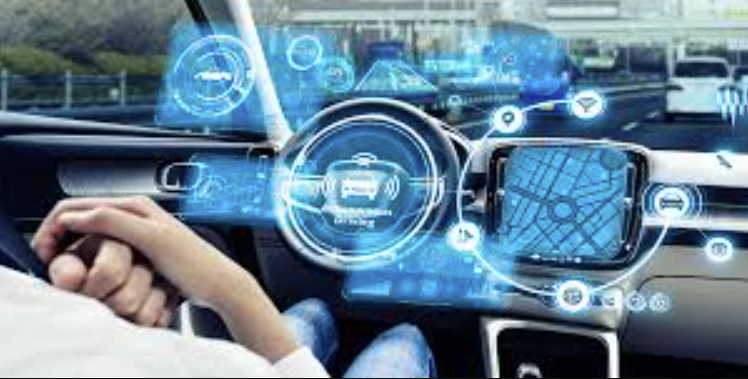
As transportation technology continues to evolve, key trends are reshaping the landscape. The rise of electric vehicles signals a shift towards sustainable urban mobility. Concurrently, advancements in autonomous systems and drones are redefining logistics and traffic management. These innovations promise to enhance efficiency and safety. However, the interplay between these technologies and urban planning raises critical questions about future infrastructure and environmental impact. What implications will these trends have for cities of tomorrow?
The Rise of Electric Vehicles and Their Impact on Transportation
As the global demand for sustainable solutions intensifies, the rise of electric vehicles (EVs) is reshaping the landscape of transportation.
Accelerated electric vehicle adoption is driven by significant advancements in charging infrastructure, enabling greater accessibility and convenience.
This evolution not only reduces carbon footprints but also empowers individuals with newfound freedom in mobility, aligning with a broader vision of sustainable urban development.
Exploring the Future of Autonomous Vehicles and Drones?
How will the integration of autonomous vehicles and drones transform urban landscapes and logistics?
The emergence of drone delivery systems, coupled with evolving autonomous regulations, promises to enhance efficiency and reduce congestion.
Urban areas may witness a shift in transportation dynamics, facilitating seamless movement of goods and people.
This evolution fosters a newfound freedom in mobility, paving the way for innovative urban planning solutions.
Innovations in Smart Traffic Management Systems
What strategies can cities implement to enhance traffic flow and safety through technology?
Innovations such as adaptive signalization and real-time analytics enable traffic flow optimization, fostering urban mobility solutions.
By continuously analyzing traffic patterns, cities can dynamically adjust signals, reducing congestion and improving safety.
These advancements not only enhance the commuter experience but also support a more efficient, responsive urban infrastructure.
See also: bloghyper
The Role of Sustainable Transportation Solutions in Urban Planning
While cities continue to expand and evolve, the integration of sustainable transportation solutions into urban planning emerges as a pivotal strategy for addressing environmental challenges and enhancing quality of life.
Prioritizing green infrastructure and efficient public transit systems fosters reduced carbon footprints, promotes accessibility, and encourages community connectivity.
This forward-thinking approach not only mitigates urban congestion but also empowers residents towards a more sustainable lifestyle.
Conclusion
As the horizon brightens with the promise of electric vehicles humming silently through city streets, the landscape of transportation technology transforms into a vibrant tapestry of innovation. Autonomous drones soar above, delivering essentials with precision while smart traffic systems weave a seamless flow, reducing congestion and pollution. This harmonious integration of sustainable solutions paints a future where urban planning thrives, leading communities towards a greener, more connected existence. A new era of mobility is unfolding, rich with potential and purpose.