A wallet is one of those accessories used almost every day, so its design needs to fit real routines rather than simply look attractive. The right wallet should hold the cards, cash, identification, and small essentials you actually carry without becoming bulky or difficult to use.
Womens Leather wallets come in a wide range of sizes, designs, colours, and storage options. Some are small enough to fit neatly into a compact handbag, while others offer extra space for cash, coins, receipts, and multiple cards. Choosing the right wallet starts with considering what you carry and how you use it throughout your daily routine.
Start With What You Carry
Before choosing a wallet, make a quick list of the items that normally stay inside it. A person who carries two bank cards and an ID card has very different requirements from someone who keeps loyalty cards, cash, coins, receipts, and several forms of identification.
Count your frequently used cards first. Then consider whether you carry folded notes, coins, business cards, photographs, or other small items. This simple check prevents the common mistake of buying a wallet with far more space than necessary.
For light everyday use, a slim card holder or compact bifold may be enough. Someone who prefers to keep everything together may need a larger wallet with several compartments.
See also: The Changing Role of Social Media in Everyday Life
Choose a Size That Fits Your Routine
Wallet size should work with the bags, pockets, and clothing you use most often. A large wallet can be inconvenient inside a small crossbody bag, while a tiny wallet may leave essential items behind.
Compact wallets are useful for quick trips, commuting, and occasions where carrying a full handbag is unnecessary. Medium-sized designs tend to offer a practical balance between storage and portability.
Larger leather wallets can suit people who prefer organised storage. They may include separate areas for cards, notes, coins, receipts, and other belongings. The extra capacity is useful only if it matches your daily habits.
Pay Attention to the Internal Layout
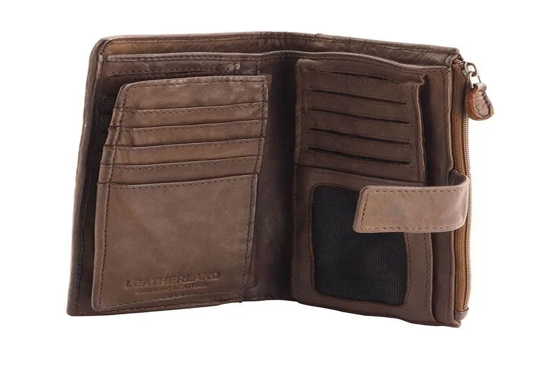
Two wallets with similar external dimensions can feel completely different because of their interior designs. Look at the number and arrangement of card slots, note compartments, coin sections, and zipped pockets.
A wallet with dedicated card slots can make frequently used cards easier to find. A central zipped section can keep coins secure, while a separate note compartment helps prevent cash from becoming mixed with receipts.
Think about accessibility as well. If you regularly pay by card, the slots you use most should be easy to reach. If you often carry cash, make sure the notes fit comfortably without excessive folding.
An organised interior can make a bigger difference to everyday convenience than decorative details on the outside.
Consider the Type of Leather
Leather is available in different finishes, and each has its own appearance and feel. Full-grain leather retains much of the natural character of the hide and can develop changes in colour and texture through regular use.
Top-grain leather is generally finished more heavily than full-grain leather, creating a smoother and more uniform appearance. Other leather types may offer different combinations of softness, texture, and affordability.
The choice depends partly on personal preference. Someone who likes natural markings and gradual ageing may prefer a leather with a more organic finish. Another person may prefer a smooth surface with a consistent appearance.
Ask about the leather type and finish before purchasing, particularly if the product description uses the word “leather” without providing further details.
Check the Construction
A wallet can look good in photographs yet feel inconvenient after months of daily use. Construction deserves attention before making a purchase.
Inspect the stitching, edges, lining, fasteners, and hardware. Even stitching around the edges can indicate careful construction. Zippers should open and close without catching, while snaps and magnetic closures should hold securely.
Pay attention to how the wallet opens. A design that spreads too widely can become awkward in crowded places, while one that barely opens may make cards difficult to retrieve.
The wallet should also retain its shape without feeling excessively stiff. Leather can soften with use, but poor construction cannot be fixed through regular wear.
Pick a Closure That Suits You
Wallet closures come in several forms, including zippers, snaps, magnetic fasteners, and open designs. Each works differently during everyday use.
A zip-around wallet keeps its contents enclosed and can be useful for people who carry coins or several small items. Snap closures provide relatively quick access while keeping the wallet secured. Open card holders are convenient for people who rarely carry cash or loose items.
Consider where you normally use your wallet. Someone who frequently moves through busy public spaces may prefer a fully enclosed design. Someone making quick purchases throughout the day may value faster access.
Think About Colour and Finish
A wallet can be practical without looking plain. Colour choice should reflect the bags and accessories you already use rather than being based solely on current trends.
Black, brown, tan, and other neutral shades tend to work with a wide range of outfits and handbags. Brighter colours can make a wallet easier to identify inside a larger bag and can add a distinctive touch to an otherwise simple accessory.
Finish also affects appearance. Smooth leather can create a refined look, while textured finishes may provide a more casual character and can be less visually demanding when minor marks appear.
Consider How the Wallet Will Age
Leather changes through use. Areas that receive frequent contact may become softer, darker, or more polished over time. This natural development is part of the appeal of many leather accessories.
Think about how much maintenance you are prepared to provide. Some leather finishes benefit from occasional conditioning and careful storage, while others require relatively little attention.
Keep the wallet away from excessive moisture and avoid overfilling it. Stretching the compartments beyond their intended capacity can put unnecessary pressure on stitching, closures, and leather panels.
Set a Practical Budget
Price should be considered alongside construction, leather quality, capacity, and expected use. A wallet carried every day deserves different consideration from one purchased mainly as an occasional accessory.
Rather than choosing based on price alone, compare what each wallet offers for the amount you plan to spend. Check the materials, dimensions, compartment layout, stitching, closure, and care instructions.
A moderately priced wallet with a practical design may serve you better than an expensive piece whose layout does not suit your habits.
Read the Measurements Before Buying Online
Online photographs can make wallets appear larger or smaller than they really are. Always check the listed measurements before placing an order.
Compare the dimensions with an item you already own. Measuring your current wallet or handbag can give you a clearer idea of the space available.
Also check whether the wallet is designed to accommodate the currency used in your location. Note compartments vary considerably, and some narrow designs may not comfortably hold larger notes.
Match the Wallet to Your Daily Habits
The most useful womens leather wallets are not necessarily the largest, most decorated, or most expensive options. They are the ones that fit naturally into the way their owners live.
A minimalist card carrier makes sense for someone who rarely carries cash. A bifold can work well for everyday cards and folded notes. A zip-around design may suit someone who wants separate storage for coins and other small items.
Consider your typical day, the items you carry, the bags you use, and how quickly you need to access your essentials. Those details provide a much clearer starting point than appearance alone.
A well-chosen leather wallet should feel easy to carry, simple to organise, and comfortable to use repeatedly. Once those practical needs are clear, colour, texture, and finishing details become easier to choose.