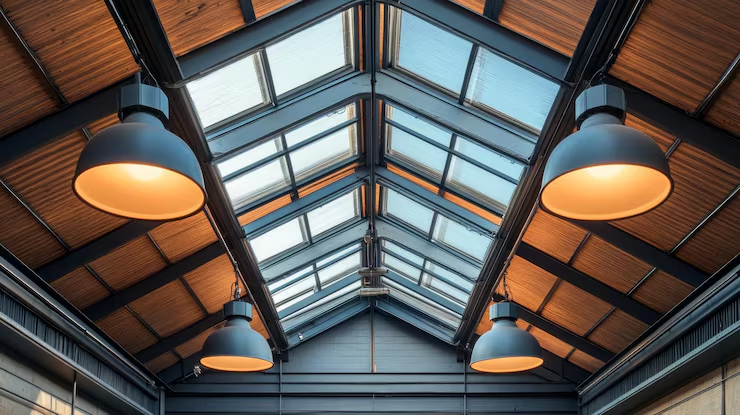
Not every building has a simple roof with a straightforward layout. Curved sections, unusual dimensions, varying roof pitches, heritage features, extensions, and complex structural arrangements can make standard rooflight products difficult to use effectively.
Custom rooflights offer another option. Instead of selecting a fixed-size product and adapting the roof around it, the rooflight can be designed to suit the building’s available space, architectural requirements, and daylight needs.
For commercial, industrial, residential, and specialist buildings, this flexibility can make a significant difference to both appearance and performance.
Standard Rooflights Do Not Suit Every Roof
Standard rooflights are produced in predefined shapes and dimensions. They are practical for many conventional applications, but unusual roof designs can create problems.
A roof may have limited installation space, an irregular frame, or structural elements positioned exactly where a standard unit would need to be installed. Simply choosing a smaller or larger rooflight may not solve the issue.
Custom manufacturing allows dimensions and configurations to be considered from the beginning. This can make it easier to work around existing structural features without compromising the intended roof design.
The same principle applies to buildings where several roof sections meet. A custom rooflight can be developed for the specific area rather than forcing a standard product into an unsuitable opening.
More Control Over Natural Light
One of the main reasons to incorporate rooflights is to bring daylight into areas that may otherwise depend heavily on artificial lighting.
The amount of daylight entering a building depends on more than the size of the rooflight. Its position, orientation, glazing, shape, and surrounding roof structure all influence the result.
With a custom design, these factors can be considered together.
For example, a long rooflight may distribute daylight differently from a compact square opening. A rooflight positioned above a central circulation area may provide useful illumination without creating excessive brightness near workstations.
The design can therefore focus on where daylight is actually needed rather than simply increasing the amount of glazed roof area.
Architectural Freedom
Unique buildings often have architectural features that should remain visible rather than being interrupted by standard building components.
Custom rooflights can be shaped and positioned to complement the existing design. This can be particularly useful for buildings with curved roofs, vaulted interiors, atriums, extensions, or distinctive architectural forms.
The rooflight does not have to look like an afterthought. Its proportions and placement can be considered alongside the roof’s overall appearance.
For architects and designers, this opens up more possibilities when planning how natural light will enter the building.
Better Use of Difficult Roof Spaces
Some parts of a roof may appear unsuitable for conventional daylighting because of their dimensions or structural arrangement.
A custom rooflight can make use of spaces that might otherwise remain unused. This is particularly relevant in buildings with high ceilings or deep interior areas where windows alone cannot provide enough daylight.
Industrial buildings are a common example. Large production halls and warehouses can have substantial roof areas with limited access to natural light from the sides. Carefully positioned rooflights can introduce daylight into the interior without requiring major changes to walls or windows.
Considering Thermal Performance
Adding more glazing to a roof can also affect the building’s thermal conditions. Sunlight brings heat as well as visible light, so the rooflight specification needs to account for the building’s location and use.
Glazing options can differ in areas such as light transmission, solar control, insulation, and overall thermal performance.
A custom design provides an opportunity to select materials based on the actual requirements of the building rather than relying on a one-size-fits-all specification.
For example, a space with extensive cooling requirements may need stronger control over solar heat gain, while another building may benefit from higher daylight transmission.
Shape Can Influence Performance
The shape of a rooflight is not purely an aesthetic decision. It can influence how light spreads through the interior and how the roof structure accommodates the opening.
Longer rooflights can help distribute daylight across narrow or extended spaces. Larger central openings may work better for atriums or open-plan areas. Curved rooflights can complement curved architectural forms while introducing light along a larger section of the roof.
The appropriate shape depends on the building and the desired outcome. There is no universal configuration that works equally well for every roof.
Structural Compatibility Matters
A rooflight becomes part of the building envelope, so its relationship with the roof structure needs careful consideration.
The opening, supporting frame, surrounding roof materials, and fixing details all need to work together. Structural loads, local weather conditions, drainage, and movement should also be considered during the design process.
Custom rooflights can be developed around these constraints, which can simplify installation in buildings where structural conditions do not match standard product dimensions.
This is particularly useful during refurbishment projects. Older buildings may have roof structures that were never designed around modern rooflight systems, making detailed planning necessary.
Weather Resistance and Waterproofing
Any opening in a roof creates a potential point for water ingress if it is not correctly designed and installed.
Flashing, seals, joints, drainage paths, and connections between the rooflight and surrounding roof materials all require attention. The exact requirements depend on the roof construction and local environmental conditions.
Customisation should therefore cover more than the visible shape of the rooflight. The complete installation detail needs to be considered so the roof remains weather-resistant.
For exposed commercial or industrial buildings, this becomes particularly important because rooflights must withstand wind, rain, temperature changes, and other environmental stresses over their service life.
Useful for Renovation and Specialist Projects
Custom rooflights can be particularly valuable when working with existing buildings.
A renovation project may involve an unusual roof profile, limited structural access, or an opening that does not match commercially available dimensions. Replacing an existing rooflight with a standard unit may require unnecessary alterations to the surrounding roof.
A custom replacement can be manufactured around the existing conditions, potentially reducing the amount of modification required.
They can also be considered for specialist spaces such as conservatories, architectural extensions, atriums, workshops, public buildings, and buildings with distinctive roof forms.
What to Consider Before Ordering
A custom rooflight project should begin with a clear understanding of the building and its requirements.
Key points to review include:
- Roof dimensions and pitch
- Available structural support
- Desired daylight levels
- Glazing performance
- Solar heat and glare
- Ventilation requirements
- Weather exposure
- Drainage and waterproofing
- Cleaning and maintenance access
- Installation constraints
- Local building regulations
Measurements and structural information should be accurate before manufacturing begins. For complex projects, input from the architect, structural engineer, roofing contractor, and rooflight manufacturer can help avoid compatibility issues during installation.
A Practical Choice for Unusual Roofs
Unique roof designs often require more flexibility than standard building products can provide. Custom rooflights allow the dimensions, shape, glazing, and installation details to be considered around the actual building.
That makes them useful for projects where daylight, architectural appearance, structural compatibility, and long-term roof performance all need to work together.
Rather than altering a distinctive roof to accommodate a standard product, a custom rooflight can be designed to fit the roof that already exists—or the roof that the architect intends to create.