Entryway lighting should balance ambience, function, and refinement by layering ambient, task, and accent layers that follow traffic flow. Dimmable, occupancy-sensing, and daylight-harvesting controls are essential for safety and efficiency. Fixtures must harmonize color temperature with architectural materials and textures to create depth and cohesion. Centralized control enables personalized scenes, while glare and scale are carefully managed to preserve honesty in design. A deliberate, adaptable approach awaits the next consideration.
How to Build a Layered Entryway Lighting Plan
A layered entryway lighting plan combines ambient, task, and accent lighting to create a cohesive, functional space. The approach organizes illumination into zones, aligning fixtures with traffic flow and focal points. A layered plan prioritizes adjustable controls and dimming for mood scalability. Featuring a subtle foyer glow, it emphasizes balance, cadence, and clarity while maintaining architectural honesty and user freedom.
Best Ambient, Task, and Accent Fixtures for Foyer Glow
Selecting the right ambient, task, and accent fixtures for a foyer glow hinges on balancing light quality, color temperature, and glare control. The recommended approach emphasizes ambience layering to modulate depth and texture, while precise task fixtures illuminate key zones without overpowering architectural features. Attention to hallway brightness ensures cohesive transitions, with fixtures chosen for scale, efficiency, and quiet elegance.
Smart Controls and Energy-Saving Strategies for Hallway Lighting
Smart controls and energy-saving strategies in hallway lighting focus on optimizing performance without compromising ambiance. The approach relies on occupancy sensors, daylight harvesting, and dimming routines to reduce waste while preserving safe navigation. Centralized control interfaces enable personalized scenes and consistent luminance. Implementation emphasizes reliability, low maintenance, and energy saving, with clear metrics for monitoring, calibration, and long-term efficiency.
Coordinating Lighting With Style: Color, Materials, and Architecture
Coordinating lighting with style requires aligning luminance, color temperature, and material finishes with the architectural vocabulary of the space. Coordinating color and fixture choices creates visual cohesion across textures, surfaces, and tones.
Balancing materials—glass, metal, stone—with lighting layers ensures depth and harmony. The approach respects proportion, scale, and flow, yielding a refined, adaptable entry that feels deliberate and free.
Frequently Asked Questions
How High Should Ceiling Fixtures Hang in a Narrow Foyer?
Ceiling fixture height should place fixtures about 7 to 8 feet above the floor in a narrow foyer, balancing clearance and ambience. This answer reflects narrow foyer considerations, emphasizing proportionality, visibility, and architectural restraint for a restrained, freedom-friendly aesthetic.
What Are Affordable Lighting Options for Renters?
One interesting statistic: renters spend up to 20% of monthly utilities on lighting, underscoring efficiency. Affordable renters seek budget friendly lighting solutions, including LED fixtures, plug-in sconces, and adhesive-backed track lighting, balancing aesthetics with practical, budget-friendly flexibility.
How to Balance Natural Light With Artificial Illumination?
Balancing luminance occurs by daylight integration with calibrated artificial layering; spectrum matching ensures cohesive tone. The approach optimizes contrast and depth, enabling freedom in perception while preserving functional clarity, reducing glare, and sustaining visual comfort across varied tasks and times.
See also: Transportation Technology Trends for the Future
Which Bulbs Are Best for Glare-Free Entryways?
Glare-free bulbs yield calmer corridor ambience; carefully chosen LEDs minimize flicker while preserving color. Entryway optics emphasize even illumination, reducing harsh highlights. The selection favors diffuse, high-CRI fixtures, delivering safe, stylish, flexible lighting for open, freedom-loving foyers.
How to Stage Lighting for Seasonal Home Entrances?
Seasonal entrance lighting can be staged to emphasize textures and color shifts, creating a dynamic exterior narrative. The staging entryway ambiance relies on layered layers, warm to cool transitions, and controlled shadows, enabling freedom in seasonal presentation.
Conclusion
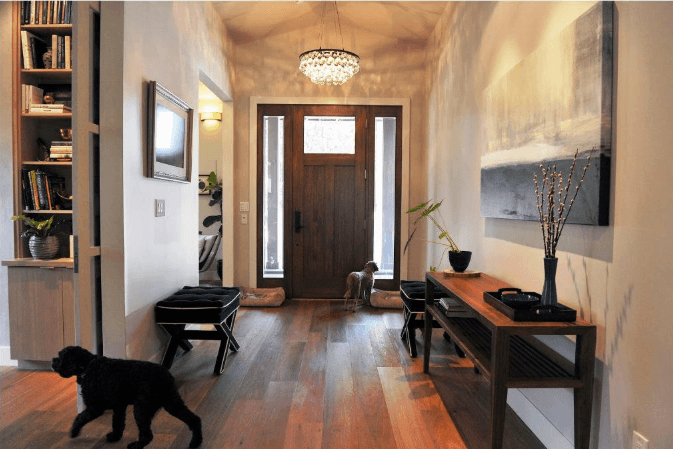
In summary, a layered entryway lighting plan blends ambient, task, and accent illumination to guide movement while preserving architectural integrity. Centralized control, dimming, occupancy sensing, and daylight harvesting optimize safety and energy use. Fixtures should harmonize color temperature with materials and textures, and glare must be minimized to maintain a refined cadence. Example: a mid-century foyer with warm 2700K wall washers, recessed ceiling coves, and a responsive stair pendant that dims with daylight, creating cohesive elegance.