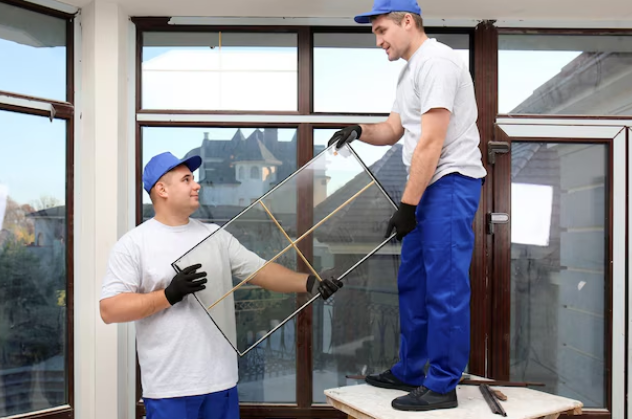
Glass is a familiar part of almost every home. It brings daylight into living spaces, creates clear views, and gives doors, windows, mirrors, and shower enclosures a clean appearance. A small crack, chipped edge, or damaged pane can quickly become a practical concern. Luxurious Glass provides residential glass repair services for homeowners dealing with damaged or worn glass features. Getting the right repair at the right time can prevent a minor defect from becoming a larger and more expensive problem.
Cracked Window Panes Need Prompt Attention
Cracked window glass is one of the most common residential glass problems. Cracks can develop after an impact from a ball, tree branch, or other object. Temperature changes, pressure on the pane, and weaknesses around the frame can also contribute to cracking.
A small crack should not automatically be ignored. Changes in temperature can cause the glass to expand and contract, allowing an existing crack to spread. A damaged pane may also reduce insulation and allow drafts or moisture to enter around the window.
A professional can assess the size, location, and type of damage before recommending a repair or replacement. Minor damage may have limited repair options, while a severely cracked or shattered pane generally requires replacement with appropriately sized glass.
Foggy or Cloudy Double-Glazed Windows
Double-glazed windows contain two panes separated by an insulating space. The space is normally sealed to help improve thermal performance and reduce outside noise. Over time, the seal can fail, allowing moisture to enter between the panes.
The result is often a cloudy or foggy appearance that cannot be cleaned from either side of the window. Condensation trapped inside the unit is a sign that the sealed glass assembly may no longer be functioning as intended.
Replacing the affected insulated glass unit is often more practical than replacing the entire window frame. A glass professional can measure the existing unit and identify a suitable replacement based on thickness, dimensions, and window specifications.
Scratched Glass on Doors and Windows
Scratches can appear on glass surfaces for several reasons. Improper cleaning tools, abrasive materials, renovation work, pets, and accidental contact with hard objects can all leave marks.
Light surface scratches may sometimes be polished by a professional, depending on their depth and location. Deeper scratches are more difficult to correct and may remain visible even after polishing.
The repair method depends on the condition of the glass. Attempting aggressive DIY polishing can make the damage worse by creating additional marks or altering the surface. A professional assessment helps determine whether polishing is practical or replacement makes more sense.
Broken Glass Doors
Sliding glass doors and patio doors are exposed to frequent use, making them vulnerable to chips, cracks, hardware problems, and accidental impacts. A broken door pane is more than an appearance issue because the opening can affect home security and expose the interior to weather.
Tempered safety glass is commonly used in many residential door applications. Unlike ordinary glass, tempered glass is designed to break into smaller granular pieces when shattered. Once it has broken, however, the complete pane generally needs to be replaced.
Replacement glass must match the door’s measurements and specifications. The frame, rollers, tracks, seals, and other components should also be checked during the repair so the new pane operates properly after installation.
Damaged Bathroom and Shower Glass
Bathroom glass can develop chips, cracks, mineral deposits, and other surface problems. Shower doors receive regular exposure to water, soap, cleaning products, and changes in temperature.
Hard-water deposits can leave a cloudy appearance even when the glass itself remains structurally sound. Professional cleaning or polishing may improve the appearance in some cases. Cracks and chips require a different assessment because continued use can increase the risk of breakage.
Shower enclosures often use tempered glass for safety. A damaged panel should therefore be inspected rather than patched with an ordinary household repair product. Depending on the damage and panel specifications, replacement may be the safest practical option.
Mirror Cracks and Edge Damage
Residential mirrors are used in bathrooms, bedrooms, hallways, entry areas, and decorative installations. A mirror may crack after an impact, during installation, or because of stress around mounting points.
Black or dark marks around the edges can also appear when moisture affects the reflective backing. This is sometimes referred to as mirror desilvering. Small areas of edge damage may be managed cosmetically, but extensive deterioration can make replacement preferable.
Proper measurements are especially important for mirrors because replacement pieces often need to fit an existing wall, cabinet, vanity, or frame. A professional can also help identify suitable mirror thickness and edge finishing.
Chips and Small Impact Damage
A chip may seem less serious than a full crack, but its location matters. Damage near an edge or corner can place additional stress on the pane. A chip can also develop into a crack after repeated temperature changes or another impact.
Some types of minor glass damage can be repaired using professional resin-based techniques. These repairs are more commonly associated with certain automotive glass applications, so homeowners should not assume the same method is appropriate for every type of residential glass.
For household windows, doors, and other installations, the professional will consider the glass type, damage pattern, location, and safety requirements before selecting a repair method.
Glass Frame and Seal Problems
Glass does not work independently of its frame. A damaged frame, deteriorated seal, or poor installation can contribute to leaks, drafts, rattling, and movement.
Water around a window may indicate a problem with the surrounding seal rather than the pane itself. Similarly, a loose pane can create pressure points that eventually contribute to cracking.
A proper inspection should therefore consider both the glass and its surrounding components. Replacing a pane without addressing an underlying frame or sealing problem may allow the same issue to return.
Repair or Replacement: Which Is Appropriate?
The extent of damage usually determines whether repair is possible. Surface marks, certain minor chips, and some cosmetic defects may be suitable for professional restoration. Large cracks, shattered tempered glass, extensive edge damage, and failed insulated units often call for replacement.
Safety is another consideration. Glass used in doors, bathrooms, stair areas, and other locations may need to meet specific safety requirements. The replacement material should match the application’s specifications rather than simply matching the appearance of the original pane.
Age also matters. If a window has several problems, repairing one damaged pane may not address broader issues such as failed seals, deteriorated frames, or poor insulation. A professional assessment can help homeowners understand the condition of the installation before deciding how to proceed.
How Homeowners Can Reduce Glass Damage
Regular care can help prevent some common glass problems. Cleaning with appropriate products and soft materials reduces the chance of surface scratches. Homeowners should also avoid placing excessive pressure on glass doors and should inspect window and door hardware periodically.
Moisture around frames should be addressed promptly. Persistent condensation, leaks, or damaged seals can gradually affect both glass and surrounding materials.
Furniture, garden equipment, children’s toys, and other objects should be kept away from areas where accidental impacts are likely. For large glass installations, professional installation and periodic inspection can also reduce stress caused by poor fitting or uneven support.
See also: What Should Businesses Expect From Professional Social Media Marketing Agencies?
A Practical Approach to Residential Glass Problems
Glass damage rarely improves by itself. A small defect can remain stable, but it can also spread depending on its location, surrounding conditions, and the type of glass involved. Identifying the problem early gives homeowners more options and can help prevent unnecessary damage to frames, walls, flooring, or nearby fixtures.
Professional residential glass repair focuses on more than replacing a broken pane. The glass type, measurements, safety requirements, frame condition, seals, and cause of the damage all influence the appropriate repair. For homeowners dealing with cracked windows, damaged doors, scratched surfaces, foggy insulated glass, or broken mirrors, an inspection can clarify whether restoration or replacement is the more practical route.
A damaged glass feature can affect comfort, appearance, safety, and everyday use of a home. Homeowners who need assistance assessing damaged glass can contact us today to discuss the condition of their installation and available repair options.
=